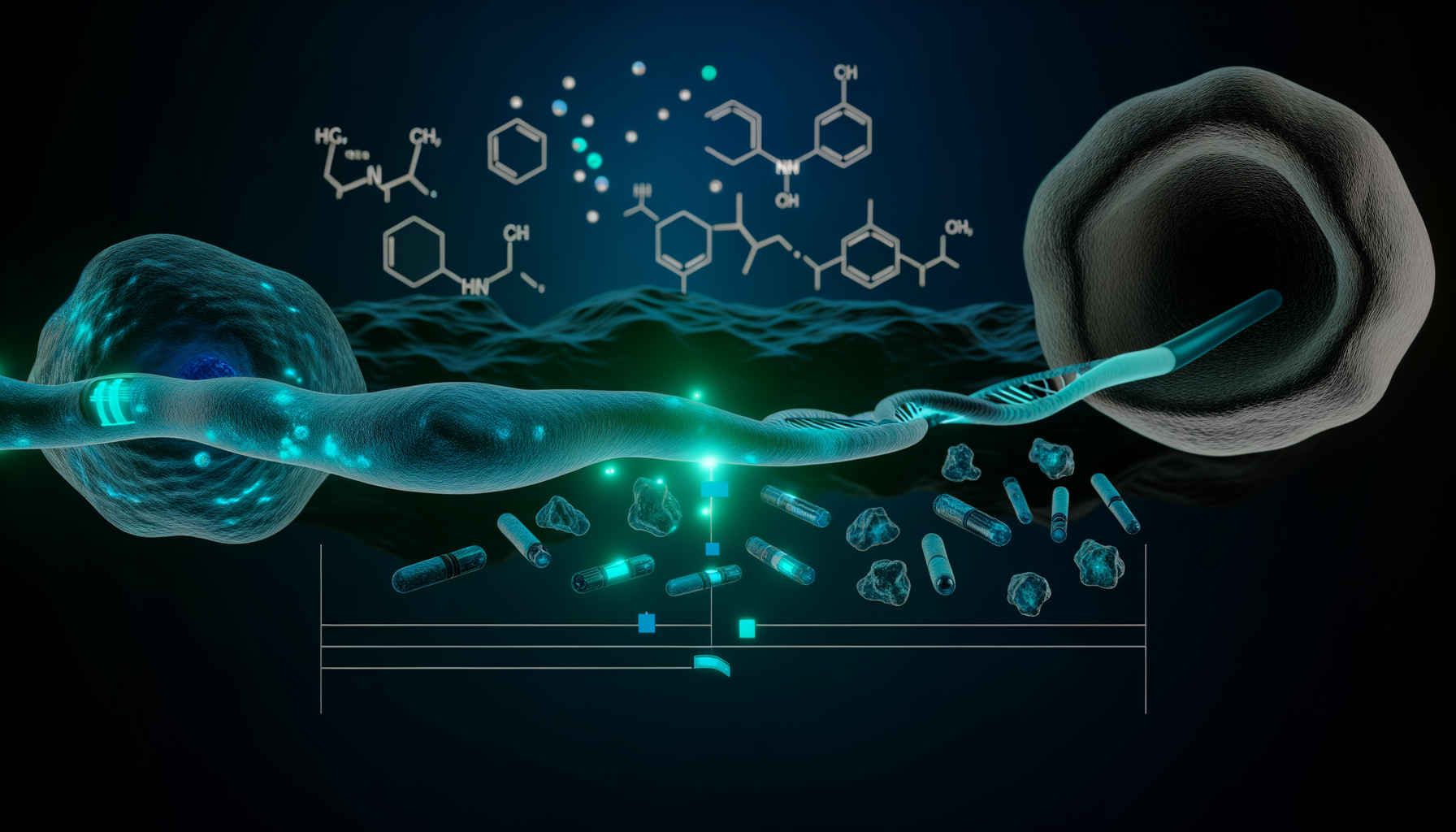
Understanding Berberine's Mechanism of Action: A Detailed Guide
Explore how berberine works at the cellular level, its impact on metabolic pathways, and its therapeutic potential. This guide provides a comprehensive look at berberine's mechanisms, supported by scientific evidence.
How Berberine Works: Mechanism of Action
Berberine, a compound extracted from various plants, is renowned for its diverse health benefits. This article delves into the intricate mechanisms by which berberine exerts its effects, focusing on its impact on metabolic pathways and therapeutic potential. Whether you're exploring its role in managing blood sugar or its potential as an antimicrobial agent, understanding how berberine works is crucial. For a broader exploration of its benefits and applications, check out our Complete Guide to Berberine: Benefits, Dosage & More.
What is Berberine?
To truly appreciate berberine's impressive capabilities, let's start with what it is. Berberine is an alkaloid extracted from plants such as Berberis, Coptis chinensis, and Hydrastis canadensis. Known for its distinctive yellow color, berberine has been a staple in traditional medicine systems like Ayurveda and Chinese medicine for centuries.
What is Berberine? Berberine is an alkaloid extracted from plants such as Berberis. It is known for its yellow color and has been used in traditional medicine for centuries.
This natural compound has been recognized for its ability to support various bodily functions, from metabolic health to immune response. Its historical use provides a foundation for modern research, which continues to uncover new applications.
Origins and Historical Use
Berberine's roots trace back thousands of years. Traditional healers have long used it to treat infections, digestive issues, and inflammatory conditions. These historical applications hint at its broad-spectrum capabilities, which modern science is beginning to validate. By understanding where berberine comes from and its historical significance, we can better grasp its modern applications.
Modern Discovery and Research
In recent decades, scientific research has expanded our understanding of berberine, highlighting its potential in managing conditions like type 2 diabetes, high cholesterol, and even certain types of cancer. This growing body of evidence is crucial for integrating berberine into contemporary therapeutic practices.
Cellular Mechanisms of Berberine
Berberine's effects on the body are deep-rooted at the cellular level, where it interacts with various biochemical pathways. One of the most significant pathways influenced by berberine is the AMP-activated protein kinase (AMPK) pathway.
AMPK Activation
What is AMP-activated protein kinase (AMPK)? AMPK is an enzyme that plays a key role in cellular energy homeostasis. It is activated by increases in the AMP/ATP ratio.
AMPK acts as an energy sensor within cells, regulating energy balance and homeostasis. When berberine activates AMPK, it enhances the cellular processes that convert nutrients into energy.
Berberine increases AMP levels and inhibits mitochondrial respiratory chain complex I, a mechanism that triggers AMPK activation [2]. This activation leads to improved metabolic functions, including enhanced glucose uptake and lipid oxidation.
Gene Expression and Metabolic Pathways
Berberine's influence extends to the genetic level, affecting gene expression related to lipid and glucose metabolism. This gene modulation is crucial for addressing metabolic disorders like type 2 diabetes, where improper glucose and lipid metabolism are core issues.
The activation of AMPK by berberine leads to decreased lipid synthesis and improved insulin sensitivity, making it a valuable compound for metabolic health management [1]. For more on cognitive benefits associated with plant compounds, see How Bacopa Monnieri Enhances Cognitive Function: Mechanism Explained.
Quick Facts
- Berberine activates AMPK, enhancing energy metabolism.
- It exhibits antimicrobial properties against a range of pathogens.
- Research supports its role in improving insulin sensitivity.
- Berberine can reduce cholesterol levels, benefiting heart health.
- It may inhibit tumor growth, showing potential in cancer therapy.
Impact on Metabolic Health
Berberine's activation of AMPK leads to improved insulin sensitivity and reduced glucose production in the liver. These actions are beneficial for managing metabolic conditions such as type 2 diabetes.
Insulin Sensitivity and Glucose Metabolism
By enhancing insulin sensitivity, berberine helps the body use insulin more effectively, reducing blood sugar levels and preventing spikes that can lead to complications. This is particularly important for individuals with insulin resistance, a key feature of type 2 diabetes.
Berberine reduces hepatic glucose production, which is crucial for maintaining stable blood sugar levels. Research indicates that berberine's effect on AMPK activation plays a pivotal role in these processes [1].
Lipid Management
In addition to its glucose-modulating effects, berberine also impacts lipid metabolism. It reduces the synthesis of fatty acids and cholesterol, promoting a healthier lipid profile. This function is vital for cardiovascular health, as it helps prevent the buildup of cholesterol in arteries, reducing the risk of heart disease.
Real-world Implications
For individuals struggling with metabolic disorders, berberine offers a natural alternative or complement to traditional therapies. Its ability to modulate key pathways provides a multifaceted approach to health, addressing both symptoms and underlying causes.
Antimicrobial and Anti-inflammatory Effects
Beyond its metabolic benefits, berberine is known for its antimicrobial and anti-inflammatory properties. These effects are mediated through several mechanisms that help the body combat various pathogens and reduce inflammation.
Antimicrobial Properties
Berberine exhibits antimicrobial properties against a broad range of pathogens, including bacteria, viruses, fungi, and protozoans. This wide-spectrum activity makes it a promising candidate for treating infections where resistance to conventional antibiotics is a concern [3].
What are Cytokines? Cytokines are small proteins important in cell signaling. They are released by cells and affect the behavior of other cells.
Anti-inflammatory Mechanisms
Berberine's anti-inflammatory effects are primarily due to its ability to inhibit pro-inflammatory cytokines. By modulating immune responses, berberine helps reduce inflammation, which is a common underlying factor in many chronic diseases [3].
Clinical Relevance
In clinical settings, berberine's dual role as both an antimicrobial and anti-inflammatory agent can be invaluable, especially in conditions characterized by both infection and inflammation. This makes berberine a potential adjunctive therapy in managing complex conditions like inflammatory bowel disease or chronic respiratory infections.
For more insights into anti-inflammatory compounds, read Understanding Astaxanthin: Mechanism of Action Explained.
Potential Therapeutic Applications
The diverse mechanisms of action of berberine make it a promising compound for a range of therapeutic applications. Research continues to explore its potential in cardiovascular disease, cancer therapy, and more.
Cardiovascular Health
Research indicates berberine may aid in managing cardiovascular diseases by reducing cholesterol levels and improving heart function [4]. These effects are attributed to berberine's ability to modulate lipid metabolism and improve endothelial function.
Cancer Therapy
Berberine's role in cancer therapy is being explored due to its ability to inhibit tumor growth and induce apoptosis in cancer cells [5]. This makes it a potential candidate for adjunctive therapy in oncology, offering a natural approach to complement conventional treatments.
What is Apoptosis? Apoptosis is the process of programmed cell death, crucial for maintaining healthy tissue homeostasis.
A Broader Spectrum of Uses
From managing metabolic syndrome to supporting cardiovascular and immune health, berberine's range of applications underscores its potential as a versatile therapeutic agent. For further reading on related natural compounds, explore Complete Guide to Bacopa Monnieri: Benefits & Uses Explained.
Real-world Applications
Healthcare providers may consider berberine as part of an integrative approach to treatment, particularly for patients interested in natural and complementary therapies. Its multifaceted benefits provide a strong case for its inclusion in modern medical practices.
Conclusion
Berberine's diverse mechanisms of action make it a promising compound for various therapeutic applications. Ongoing research continues to uncover its potential benefits, reinforcing its role in modern medicine. Whether it's improving metabolic health, supporting cardiovascular function, or acting as an antimicrobial agent, berberine's versatile nature empowers patients and healthcare providers to explore new frontiers in natural medicine.
For more comprehensive insights, don't miss our Complete Guide to Berberine: Benefits, Dosage & More.
Frequently Asked Questions
How does berberine activate AMPK?
Berberine activates AMP-activated protein kinase (AMPK), a key regulator of cellular energy balance, by increasing AMP levels and inhibiting mitochondrial respiratory chain complex I.
What are the metabolic benefits of berberine?
Berberine improves insulin sensitivity, reduces hepatic glucose production, and lowers lipid levels, making it beneficial for managing metabolic disorders such as type 2 diabetes.
Can berberine help with cardiovascular health?
Yes, berberine can help reduce cholesterol levels and improve heart function, contributing to better cardiovascular health.
Does berberine have antimicrobial effects?
Berberine exhibits antimicrobial properties, effective against bacteria, viruses, fungi, and protozoans, making it a potential treatment for various infections.
Is berberine effective in cancer therapy?
Research suggests berberine may inhibit tumor growth and induce apoptosis in cancer cells, indicating potential as an adjunctive cancer treatment.
How does berberine reduce inflammation?
Berberine reduces inflammation by inhibiting pro-inflammatory cytokines and modulating immune responses.
What are the common sources of berberine?
Berberine is commonly extracted from plants like Berberis, Coptis chinensis, and Hydrastis canadensis.
Are there any side effects associated with berberine?
Common side effects of berberine include gastrointestinal issues such as diarrhea, constipation, and stomach upset.
In summary, berberine's broad-spectrum capabilities make it a vital part of the conversation in natural health. As we continue to unveil its potential, its role in promoting health and wellness becomes clearer. Whether you're a patient exploring new options or a clinician seeking integrative solutions, berberine deserves a closer look.
References
- 1.Song D, Hao J, Fan D. Biological properties and clinical applications of berberine. Frontiers of medicine, 2020PubMed
- 2.Wang K, Feng X, Chai L. The metabolism of berberine and its contribution to the pharmacological effects. Drug metabolism reviews, 2017PubMed
- 3.Habtemariam S. Berberine pharmacology and the gut microbiota: A hidden therapeutic link. Pharmacological research, 2020PubMed
- 4.Wang K, Yin J, Chen J.
Have questions about this topic?
Ask RT, our AI research assistant, for detailed explanations and personalised information.
Ask RT Assistant