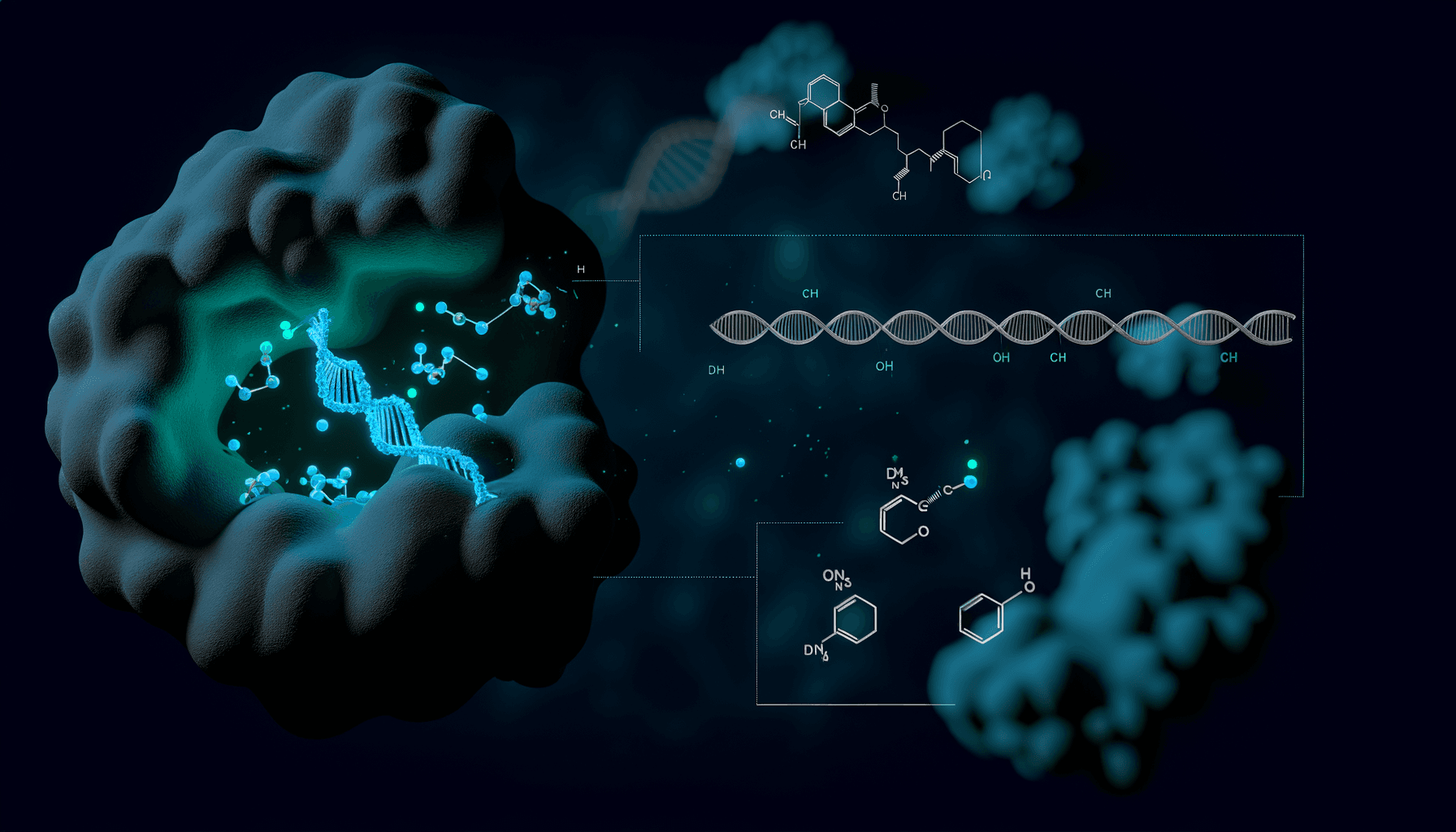
Exploring Curcumin's Mechanism of Action: A Detailed Insight
Discover how curcumin works at the molecular level to provide its anti-inflammatory and antioxidant benefits. This article delves into its mechanisms, interactions, and clinical implications.
How Curcumin Works: Mechanism of Action
Curcumin, the vibrant yellow compound found in turmeric, has captivated the scientific community and health enthusiasts alike. Known for its potent anti-inflammatory and antioxidant properties, curcumin offers a multitude of potential health benefits, ranging from reducing joint pain to fighting chronic diseases. But how exactly does curcumin exert these effects at a cellular level? This comprehensive exploration delves into the intricate mechanisms by which curcumin operates, its molecular pathways, and the clinical implications for various health conditions.
What is Curcumin?
Curcumin is much more than a mere spice. It is a polyphenolic compound derived from the root of the Curcuma longa plant. This spice, commonly used in Indian and Southeast Asian cooking, has been revered for centuries for its medicinal properties. Today, modern science is beginning to unravel the mystery behind its therapeutic potential.
What is Curcumin? Curcumin is a polyphenolic compound derived from the Curcuma longa plant, known for its therapeutic properties.
Curcumin's therapeutic journey from kitchen to clinic has been nothing short of fascinating. Its ability to influence various biological processes makes it a compound of interest for medical research and clinical applications. As a potent polyphenol, curcumin's primary allure lies in its capacity to modulate inflammatory processes and oxidative stress, two key contributors to chronic diseases.
Anti-inflammatory Mechanisms
Inflammation is a double-edged sword. While it is a vital part of the body's defense mechanism, chronic inflammation can lead to various diseases. Curcumin, with its broad-spectrum anti-inflammatory effects, has garnered attention for its ability to modulate the body's inflammatory response.
One of curcumin's primary actions is the inhibition of the NF-kB pathway.
What is the NF-kB pathway? A protein complex that controls transcription of DNA, cytokine production, and cell survival, playing a key role in inflammation.
The NF-kB pathway is a crucial player in the body's inflammatory response. By inhibiting this pathway, curcumin reduces the production of pro-inflammatory cytokines that are often elevated in chronic conditions like arthritis and cardiovascular diseases [1]. This modulation leads to a reduction in inflammation and provides relief from symptoms associated with inflammatory diseases.
Curcumin also modulates various transcription factors, offering additional anti-inflammatory benefits. Through these actions, curcumin not only alleviates symptoms but also addresses the underlying inflammatory processes, potentially providing a more holistic approach to disease management.
Internal Link: Dive deeper into related mechanisms by exploring Understanding Crystagen: Mechanisms and Biological Impact.
Antioxidant Properties
In the battle against oxidative stress, curcumin emerges as a formidable ally. Oxidative stress, characterized by an imbalance between free radicals and antioxidants, is a significant contributor to aging and various chronic diseases.
What is Oxidative Stress? An imbalance between free radicals and antioxidants in the body, leading to cell and tissue damage.
Curcumin acts as an antioxidant by scavenging free radicals—those reactive molecules that can cause cellular damage. But its benefits don't stop there. Curcumin also enhances the activity of the body's own antioxidant enzymes, providing a two-pronged approach to reducing oxidative stress [2].
This dual action is particularly relevant in conditions like cardiovascular diseases and neurodegenerative disorders, where oxidative stress plays a pivotal role. By reducing oxidative damage, curcumin helps protect cells and tissues from harm, thus slowing disease progression and promoting overall health.
For a comprehensive understanding of antioxidants, you might find our Complete Guide to CoQ10/Ubiquinol: Benefits, Dosage, and Research insightful.
Molecular Interactions and Pathways
Curcumin's interaction with the body is a testament to its complexity and versatility. It doesn't target a single molecule or pathway; rather, it acts on multiple fronts, interacting with various molecular targets including enzymes, growth factors, and receptors.
One of the critical pathways influenced by curcumin is the PI3K/Akt pathway.
What is the PI3K/Akt pathway? A signal transduction pathway that promotes survival and growth in response to extracellular signals.
This pathway plays a significant role in regulating cell growth and survival. By modulating the PI3K/Akt pathway, curcumin contributes to its therapeutic effects, influencing processes such as cell cycle regulation and apoptosis (programmed cell death) [2]. This is particularly relevant in cancer research, where controlling cell proliferation and survival is crucial.
Curcumin's ability to interact with multiple molecular targets makes it an attractive candidate for multitarget therapy in complex diseases. Its broad range of action offers a potential advantage in treating multifactorial conditions, providing a more comprehensive therapeutic approach.
To explore similar topics, visit Understanding CJC-1295 No DAC: Mechanism of Action.
Clinical Implications of Curcumin
The therapeutic potential of curcumin extends beyond cellular interactions to tangible clinical benefits. Its anti-inflammatory and antioxidant properties have been studied across a range of conditions, from arthritis to heart disease to cancer.
Arthritis and Inflammation
In arthritis, a common condition characterized by joint inflammation and pain, curcumin has shown promise in reducing symptoms. Its ability to inhibit inflammatory pathways helps alleviate pain and improve joint function, making it a potential adjunctive therapy alongside conventional treatments [4].
Cardiovascular Health
Cardiovascular diseases, often driven by inflammation and oxidative stress, represent another area where curcumin may be beneficial. By modulating key inflammatory pathways and reducing oxidative damage, curcumin supports heart health and may reduce the risk of cardiovascular events.
Cancer Research
Perhaps one of the most exciting areas of curcumin research is oncology. Curcumin's ability to modulate cell signaling pathways and inhibit tumor growth positions it as a potential anticancer agent. While research is ongoing, early studies suggest that curcumin could play a role in cancer prevention and therapy [5].
To explore therapeutic implications further, see Understanding Cartalax: Mechanism of Action Explained.
Conclusion
Curcumin's diverse mechanisms of action highlight its potential as a powerful therapeutic agent. By modulating inflammation, reducing oxidative stress, and interacting with various molecular pathways, curcumin offers a multifaceted approach to health and disease management. As research continues to evolve, our understanding of curcumin's full benefits and applications in clinical settings will undoubtedly expand, offering new possibilities for therapy and wellness.
Frequently Asked Questions
How does curcumin reduce inflammation?
Curcumin reduces inflammation by inhibiting the NF-kB pathway, leading to decreased production of pro-inflammatory cytokines.
What are the antioxidant benefits of curcumin?
Curcumin acts as an antioxidant by scavenging free radicals and enhancing antioxidant enzyme activity, reducing oxidative stress.
What clinical conditions can curcumin help with?
Curcumin has been studied for its potential benefits in conditions like arthritis, cardiovascular diseases, and cancer due to its anti-inflammatory and antioxidant properties.
What are the molecular targets of curcumin?
Curcumin targets multiple molecules including enzymes, growth factors, and receptors, influencing various signaling pathways.
Is curcumin safe for long-term use?
Current studies suggest that curcumin is generally safe for long-term use, but it's important to consult healthcare providers for personalized advice.
How does curcumin interact with other medications?
Curcumin may interact with medications like anticoagulants and NSAIDs. It's advised to consult with a healthcare provider before use.
What is the recommended dosage of curcumin?
While specific dosages may vary, studies often use 500-2000 mg of curcumin daily. Consultation with a healthcare provider is recommended.
Can curcumin help in cancer prevention?
Curcumin has shown potential in cancer prevention through its ability to modulate cell signaling pathways and inhibit tumor growth.
What are the bioavailability challenges of curcumin?
Curcumin has low bioavailability due to rapid metabolism and elimination. Formulations like curcumin nanoparticles are being researched to improve absorption.
Quick Facts
- Curcumin is a potent polyphenol derived from turmeric.
- It inhibits the NF-kB pathway to reduce inflammation.
- Curcumin acts as an antioxidant by scavenging free radicals.
- It interacts with multiple molecular targets in the body.
- Curcumin has been studied for benefits in arthritis and cancer.
- It faces challenges with bioavailability in the human body.
- Curcumin may interact with certain medications.
- Studies often use 500-2000 mg daily for clinical benefits.
In summary, curcumin represents a promising compound with wide-ranging effects and applications. Its journey from a culinary spice to a potential medical therapy is a testament to the intricate interplay of nature and science. The future looks bright for this vibrant compound, as research continues to unlock its many secrets.
References
- 1.Kotha RR, Luthria DL. Curcumin: Biological, Pharmaceutical, Nutraceutical, and Analytical Aspects. Molecules (Basel, Switzerland), 2019PubMed
- 2.Sadeghi M, Dehnavi S, Asadirad A. Curcumin and chemokines: mechanism of action and therapeutic potential in inflammatory diseases. Inflammopharmacology, 2023PubMed
- 3.Heidari H, Bagherniya M, Majeed M. Curcumin-piperine co-supplementation and human health: A comprehensive review of preclinical and clinical studies. Phytotherapy research : PTR, 2023PubMed
Have questions about this topic?
Ask RT, our AI research assistant, for detailed explanations and personalised information.
Ask RT Assistant