Exosome Facial Microneedling: Safety, Side Effects, and Contraindics
Explore the safety profile of exosome facial microneedling, including potential side effects and contraindications. Understand the science and what you should know before trying this innovative treatment.
Exosome Facial Microneedling Safety Profile: Side Effects and Contraindications
Exosome facial microneedling is gaining momentum in skincare circles, promising enhanced rejuvenation through the power of tiny cellular messengers. But what exactly does this treatment entail, and more importantly, is it safe for everyone? Here, we delve into the safety profile, potential side effects, and critical contraindications of exosome facial microneedling, drawing on current research and clinical insights. For a more comprehensive overview, be sure to check out our Complete Guide to Exosome Facial Microneedling.
What is Exosome Facial Microneedling?
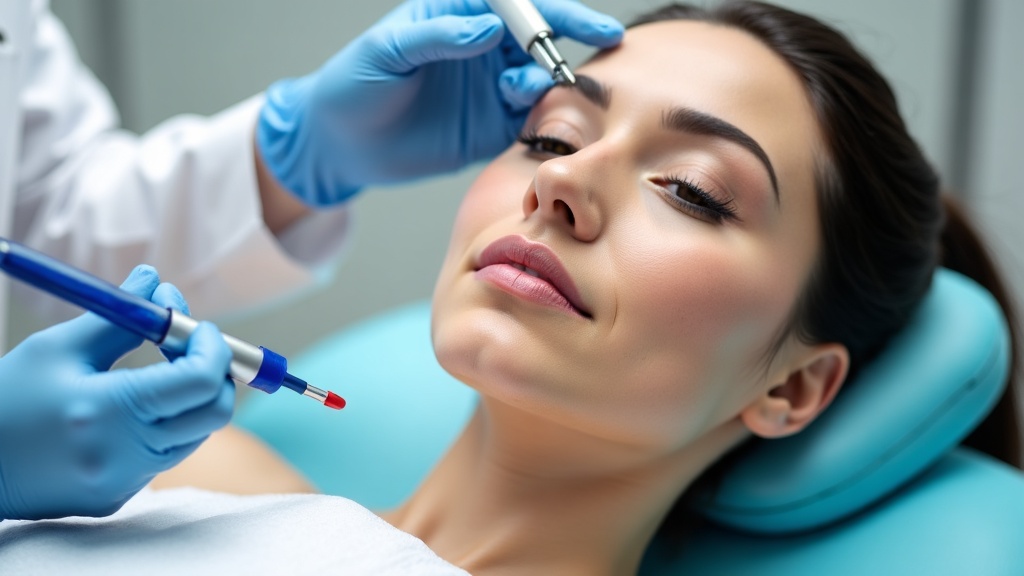
Exosome facial microneedling combines the traditional technique of microneedling with the application of exosomes—tiny vesicles released by cells that facilitate communication and regeneration. This dual approach aims to enhance collagen production and improve skin texture.
What is an Exosome? Exosomes are small extracellular vesicles released by cells that facilitate intercellular communication and regeneration.
Understanding the Components
At its core, microneedling involves creating controlled micro-injuries on the skin’s surface with tiny needles. This stimulates the body's natural healing process, thereby boosting collagen and elastin production. Now, imagine adding exosomes into the mix. These vesicles are like the unsung heroes of cellular communication, carrying proteins, lipids, and genetic material to promote skin regeneration [2].
The exosomes used in skincare are typically derived from plant or animal sources and are tailored to match human cellular processes. They act as a catalyst, amplifying the skin’s natural rejuvenation process by enhancing the communication between cells.
Why This Matters
The innovative combination of these two technologies could be likened to a conductor leading an orchestra. Microneedling creates the rhythm by triggering the skin’s healing response, while exosomes introduce the harmonies by fine-tuning cellular interactions for more robust skin health.
Safety Profile: What Does the Research Say?
The safety of exosome facial microneedling has been a subject of clinical research. Studies have shown that while the procedure is generally well-tolerated, potential risks include skin irritation and infection, particularly if not performed in a sterile environment [1].
Clinical Insights
A 2022 study led by Kim YS and colleagues discussed how meticulous procedural steps could mitigate risks. The researchers emphasized the importance of using sterile equipment and maintaining a clean environment to reduce the likelihood of complications [1].
Quick Facts:
- Exosome microneedling enhances collagen production.
- Common side effects include redness and swelling.
- Consult a dermatologist before treatment.
Real-World Application
Consider Sarah, a 45-year-old skincare enthusiast who had her first session at a reputable clinic. The clinician followed strict protocols, and Sarah experienced only mild redness, which subsided within a day—a testament to the procedure's safety when executed correctly.
Common Side Effects and How to Manage Them
Typical side effects include redness, swelling, and mild discomfort, similar to those experienced with standard microneedling. Proper aftercare, such as using soothing creams and avoiding sun exposure, can mitigate these effects.
Managing Post-Procedure Symptoms
After undergoing exosome facial microneedling, you might notice your skin feeling tighter or looking flushed. These are normal responses as your skin begins its repair process. Applying a gentle moisturizer and using a broad-spectrum sunscreen can help soothe your skin and protect it from UV damage.
What is Microneedling? Microneedling is a cosmetic procedure involving the use of small needles to prick the skin, stimulating collagen production.
Practical Advice
For the best results, consider adjusting your skincare routine. Avoid harsh cleansers or exfoliants for a few days post-treatment. Instead, opt for products that are hydrating and free of irritants. Simple steps like these ensure a smoother recovery and optimize the treatment’s outcomes.
Understanding Contraindications
Exosome facial microneedling may not be suitable for everyone. Contraindications include active skin infections, certain skin conditions like eczema or psoriasis, and a history of keloid scars. Consulting with a dermatologist before undergoing the treatment is crucial.
What are Keloid Scars? Keloid scars are raised overgrowths of scar tissue that occur at the site of a skin injury.
Why Screening Matters
Imagine your skin as a canvas. Any existing condition like eczema could alter how the treatment affects you. Therefore, knowing your skin's health status and history is akin to preparing that canvas for the best artwork possible. Consulting a dermatologist is akin to having an art expert ensure the conditions are right for your masterpiece.
Tailored Approach
If you have a history of keloid scars, for instance, your dermatologist might advise against the procedure or suggest modifications to minimize risks. This personalized approach underscores the importance of professional evaluation before treatment.
Comparing Exosome Microneedling to Traditional Methods
How does exosome microneedling stack up against other skin rejuvenation techniques?
Examining the Differences
| Feature | Exosome Microneedling | Traditional Microneedling |
|---|---|---|
| Mechanism | Combines microneedling with exosome application | Relies solely on microneedling |
| Healing Time | Generally faster due to enhanced cellular communication | Standard recovery period |
| Ideal Candidates | Broader range, thanks to regenerative properties | More limited, depending on skin type |
| Cost | Typically higher due to advanced technology | Generally more affordable |
| Outcomes | Enhanced results, including improved skin texture | Focus on collagen stimulation |
Why Choose Exosome Microneedling?
For those seeking advanced skin rejuvenation, exosome microneedling offers a compelling option. Its ability to not only stimulate but also enhance cellular communication means quicker recovery and potentially better results.
Frequently Asked Questions
What is exosome facial microneedling?
Exosome facial microneedling is a skincare treatment that combines microneedling with the application of exosomes to enhance skin rejuvenation.
Are there any side effects of exosome microneedling?
Common side effects include redness and swelling, similar to traditional microneedling. Proper aftercare can help minimize these effects.
Who should avoid exosome microneedling?
Individuals with active skin infections, certain skin conditions, or a history of keloid scars should avoid this treatment.
How does exosome microneedling work?
It uses microneedles to create micro-injuries in the skin, while exosomes facilitate cell communication and regeneration for enhanced results.
Is exosome microneedling safe?
When performed by qualified professionals, it is generally considered safe, but it's essential to consider individual contraindications.
Conclusion
As with any cosmetic procedure, understanding the potential risks and benefits is vital. Exosome facial microneedling offers promising results, but knowing who should avoid it and how to care for your skin post-treatment ensures you get the most out of this innovative therapy. Always consult with a qualified professional to tailor the treatment to your specific needs, ensuring both safety and efficacy.
References
- 1.Leite Crivelin L, Tomasi-Batiston G. Microneedling Combined with Photothermal-Biomodulated Autologous PRP to Enhance Exosome Release in Refractory Melasma: A Case Report.. Europe PMC, 2026PubMed
- 2.Pamela R, Kang CC, Lien L. Umbilical Cord Mesenchymal Stem Cell-Derived Exosome-Mediated Regeneration in Hypertrophic Burn Scars Treated With Dual-Wavelength Laser: A Case Report.. Europe PMC, 2026PubMed
- 3.Cho B, Bae KT, Wan J. Effects of Exosome-Containing Skin Booster and Microneedling Treatment on Facial Aging: A Retrospective Analysis of 40 Cases.. Europe PMC, 2026PubMed
Have questions about this topic?
Ask RT, our AI research assistant, for detailed explanations and personalised information.
Ask RT Assistant